The Ultimate Guide to Gluten-Free Flour
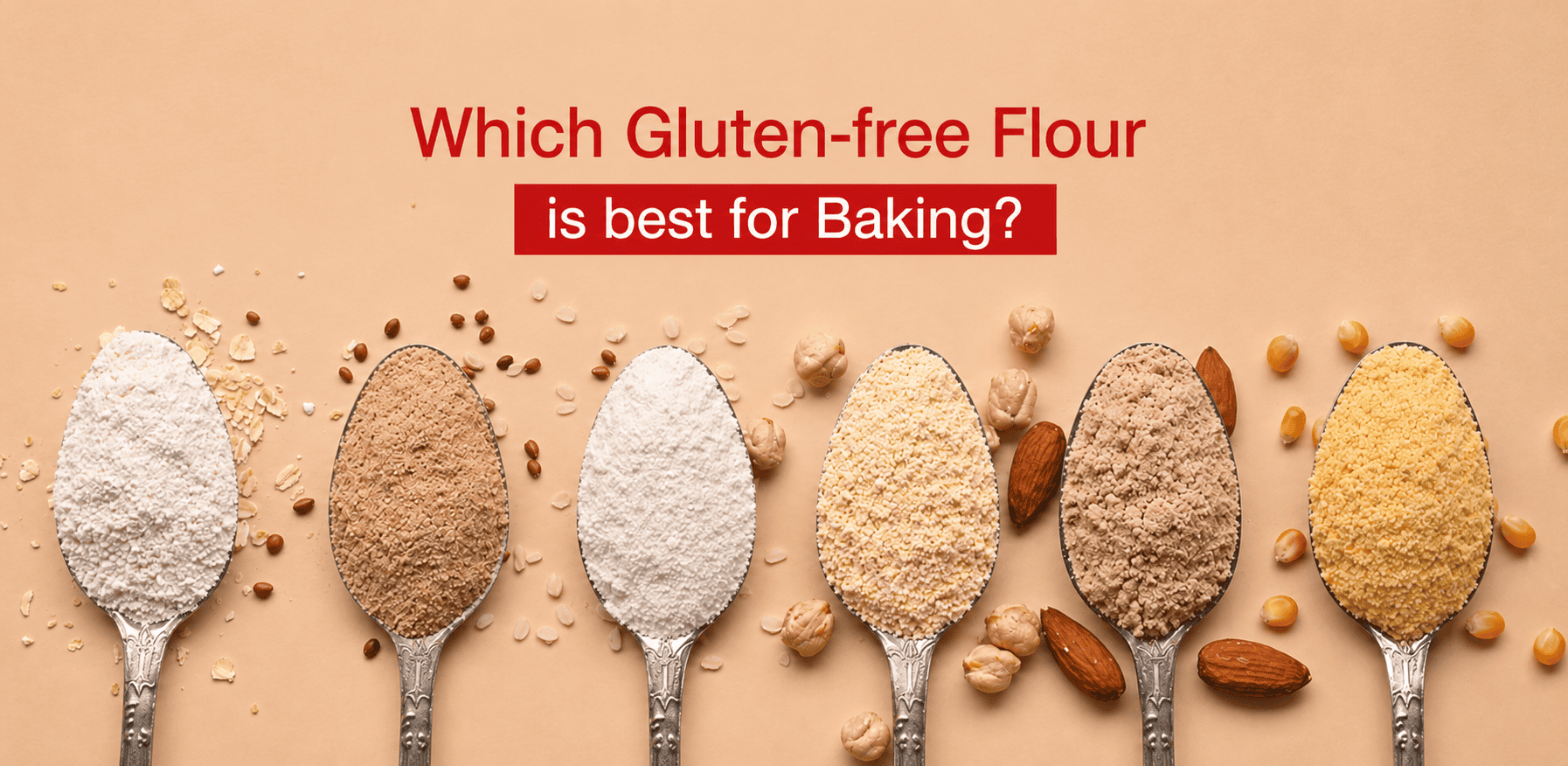
Choosing the right gluten-free flour can feel overwhelming, especially with so many options available in India. Whether you're looking for a wheat-free atta for soft rotis, a flour blend for baking, or simply trying to understand which flours are naturally gluten-free, making the right choice depends on your cooking needs and dietary requirements.
This comprehensive guide explains what gluten-free flour is, who should use it, the different types available in India, and how to choose the best option for rotis, baking, and everyday cooking. You'll also learn how gluten-free flour compares with regular wheat flour, discover popular brands available in India, and find practical tips to achieve better cooking results.
Whether you're living with celiac disease, managing gluten sensitivity, or simply exploring healthier flour alternatives, this guide will help you make an informed decision.
What Is Gluten-Free Flour?
Gluten-free flour is a type of flour made without wheat, barley, rye, or other gluten-containing grains. Instead, it is produced from naturally gluten-free ingredients such as rice, gram (besan), millets, nuts, seeds, or starches. Depending on its formulation, gluten-free flour may consist of a single ingredient or a carefully balanced blend designed to replace wheat flour in everyday cooking and baking.
To understand gluten-free flour, it's helpful to first know what gluten is.
Gluten is a naturally occurring protein found in wheat, barley, and rye. It gives dough its elasticity, helps bread rise, and creates the soft, chewy texture many baked foods are known for.
For people with celiac disease[1], consuming gluten triggers an immune response that damages the lining of the small intestine, affecting nutrient absorption. Others may experience digestive discomfort or other symptoms due to non-celiac gluten sensitivity or a wheat allergy, making gluten-free alternatives an important dietary choice.
Unlike traditional wheat atta, gluten-free flour is produced using ingredients that do not naturally contain gluten. Common examples include:
- Rice flour
- Besan (gram flour)
- Ragi (finger millet) flour
- Jowar (sorghum) flour
- Bajra (pearl millet) flour
- Buckwheat flour
- Almond flour
- Coconut flour
Many commercial gluten-free atta blends combine several of these ingredients with natural starches or binding agents to improve texture and make them more suitable for preparing rotis, breads, cakes, and cookies.
However, not all gluten-free flours behave the same way. Some work best for baking, while others are ideal for Indian flatbreads or traditional recipes.
Who Should Use Gluten-Free Flour?
Gluten-free flour is primarily intended for people who cannot safely consume gluten due to medical conditions such as celiac disease, wheat allergy, or non-celiac gluten sensitivity. However, some individuals also choose gluten-free flours to diversify their diet or include naturally gluten-free grains and legumes in everyday meals.
Not everyone needs to avoid gluten. For most healthy individuals, whole wheat products can be part of a balanced diet. A gluten-free diet[2] should ideally be followed when medically necessary or based on advice from a qualified healthcare professional.
Here are the groups who may benefit from gluten-free flour:
People with Celiac Disease
Celiac disease is an autoimmune condition in which eating gluten damages the small intestine. Even small amounts of gluten can trigger symptoms and long-term health complications. For these individuals, using certified gluten-free flour is essential to avoid accidental gluten exposure.
People with Non-Celiac Gluten Sensitivity
Some people experience digestive discomfort, bloating, or other symptoms after consuming gluten despite testing negative for celiac disease. Healthcare professionals may recommend a carefully monitored gluten-free diet after ruling out other medical conditions.
People with Wheat Allergy
A wheat allergy is different from celiac disease because it involves an allergic reaction to proteins found in wheat. Depending on medical advice, gluten-free flour made from naturally wheat-free ingredients may be a suitable alternative.
Individuals Exploring Gluten-Free Eating
Some people choose gluten-free products as part of their personal dietary preferences or to experiment with different grains and legumes. Naturally gluten-free flours such as besan, rice flour, and ragi flour can add variety to home cooking, but it's important to remember that gluten-free does not automatically mean healthier. The nutritional value depends on the specific ingredients used and the overall diet.
Quick Tip: If you have celiac disease or severe gluten sensitivity, always check product labels for certified gluten-free claims and information about possible cross-contamination during manufacturing.
Which Indian Flours Are Naturally Gluten-Free?
Many traditional Indian flours are naturally gluten-free because they are made from grains, legumes, seeds, or nuts that do not contain gluten. Popular options include rice flour, besan (gram flour), ragi, jowar, bajra, buckwheat, almond flour, and coconut flour. Each flour has unique nutritional benefits and works best for different recipes such as rotis, baking, batters, or desserts.
If you're new to gluten-free cooking, it's important to know that there isn't a single "best" gluten-free flour for every recipe. Some flours make softer rotis, while others perform better in cakes, cookies, or savoury dishes. Understanding their strengths helps you choose the right flour for your cooking needs.
Let's explore the most commonly used naturally gluten-free flours in India.
Rice Flour
Rice flour is one of the most widely used gluten-free flours in India. It is made by finely grinding white or brown rice and has a mild flavour that works well in both sweet and savoury recipes.
It is commonly used for:
- Dosa and idli batter
- Rice noodles
- Cakes and cookies
- Thickening soups and sauces
- Traditional Indian snacks
Rice flour is easy to digest and widely available, but because it lacks gluten, baked products made with rice flour alone may have a slightly crumbly texture.
Besan (Gram Flour)
Besan is made from finely ground split chickpeas (chana dal) and is naturally gluten-free. It is one of India's most versatile flours and is valued for its high protein and fibre content.
It is commonly used for:
- Besan cheela
- Kadhi
- Pakoras
- Chillas
- Gluten-free pancakes
- Some baking recipes
Compared with many other gluten-free flours, besan provides more protein and adds a rich, nutty flavour to recipes.
Want to learn more? Read our detailed guide on Besan Benefits: Nutrition, Weight Loss, Skin Uses & Side Effects Explained.
Ragi (Finger Millet) Flour
Ragi flour is made from finger millet and is naturally rich in calcium, fibre, and essential minerals. It is commonly used for:
- Ragi rotis
- Porridge
- Healthy baking
- Millet pancakes
- Baby food (where appropriate)
Because of its earthy flavour, ragi is often blended with other gluten-free flours for improved taste and texture.
Jowar (Sorghum) Flour
Jowar flour is another naturally gluten-free millet flour widely used across India.
Its mild flavour and soft texture make it one of the preferred options for preparing gluten-free rotis. Common uses include:
- Soft jowar rotis
- Bhakri
- Flatbreads
- Gluten-free baking blends
Although Nourish Store may not currently offer jowar flour, understanding its characteristics helps readers compare different gluten-free flour options.
Bajra (Pearl Millet) Flour
Bajra flour is made from pearl millet and has a slightly nutty taste.
It is commonly used during winter months because of its hearty texture and nutritional value. Popular uses include:
- Bajra roti
- Bhakri
- Traditional Indian meals
Like jowar, bajra is often combined with other gluten-free flours to improve dough handling.
Buckwheat Flour (Kuttu)
Despite its name, buckwheat is not related to wheat and is naturally gluten-free.
In India, buckwheat flour is commonly consumed during fasting (vrat) and is frequently used to prepare:
- Kuttu puri
- Rotis
- Pancakes
It has a distinctive earthy flavour and is often mixed with other flours.
Almond Flour
Almond flour is made from finely ground blanched almonds. It is naturally gluten-free, high in healthy fats, and popular in:
- Keto recipes
- Cakes
- Cookies
- Brownies
- Low-carb baking
Because it behaves differently from wheat flour, almond flour is usually combined with other gluten-free ingredients in baking recipes.
Coconut Flour
Coconut flour is produced from dried coconut meat after most of the oil has been extracted. It is:
- Naturally gluten-free
- Rich in fibre
- Highly absorbent
Due to its ability to absorb significant amounts of liquid, coconut flour is generally used in small quantities alongside other flours rather than on its own.
Comparison of Popular Gluten-Free Flours in India
| Flour | Source | Naturally Gluten-Free | Key Nutritional Highlight | Best Uses | Gluten-Free Baking Suitability |
|---|---|---|---|---|---|
| Rice Flour | Rice | Yes | Easily digestible and mild in flavour | Dosa, idli, cakes, snacks | Good when combined with starches or other flours |
| Besan (Gram Flour) | Split chickpeas | Yes | Rich in plant protein and fibre | Cheela, kadhi, pakora, savoury pancakes | Best for savoury baking and batters |
| Ragi Flour | Finger millet | Yes | Naturally high in calcium and fibre | Roti, porridge, cookies | Works well in blended baking recipes |
| Jowar Flour | Sorghum | Yes | Good source of fibre and antioxidants | Soft rotis, bhakri | Suitable for bread and flatbread blends |
| Bajra Flour | Pearl millet | Yes | Rich in iron, magnesium and fibre | Bhakri, rotis | Better when blended with other flours |
| Buckwheat Flour (Kuttu) | Buckwheat seed | Yes | Contains antioxidants and fibre | Fasting recipes, pancakes | Suitable for pancakes and rustic breads |
| Almond Flour | Almonds | Yes | High in healthy fats and vitamin E | Cakes, cookies, muffins | Excellent for low-carb baking |
| Coconut Flour | Dried coconut | Yes | Very high in fibre | Low-carb baking, desserts | Highly absorbent; use in small quantities |
There is no single gluten-free flour that's ideal for every recipe. Besan is an excellent high-protein choice for Indian dishes like cheela and kadhi, while rice flour works well for batters and baking. For soft rotis and versatile everyday cooking, many people prefer specially formulated gluten-free flour blends.
Gluten-Free Flour vs Wheat Flour
Gluten-free flour and wheat flour differ in their ingredients, nutritional profile, and cooking performance. Wheat flour naturally contains gluten, which provides elasticity and structure to dough, while gluten-free flour is made from alternative grains, legumes, seeds, or starches and often requires recipe adjustments to achieve similar results.
Although both can be used to prepare everyday meals, they are designed for different dietary needs.
Gluten Content
The most significant difference is the presence of gluten. Wheat flour naturally contains gluten, whereas gluten-free flour is produced without wheat, barley, or rye.
For individuals with celiac disease or gluten sensitivity, gluten-free flour is the safer choice.
Texture and Cooking Performance
Gluten helps dough stretch, trap air, and produce soft, elastic bread and rotis. Since gluten-free flour lacks this protein, recipes may require additional binding ingredients or specially formulated flour blends to improve texture.
Nutrition
Neither option is automatically healthier. Whole wheat flour is naturally rich in fibre and nutrients, while gluten-free flours vary widely depending on their ingredients.
For example:
- Besan offers higher protein.
- Ragi is known for its calcium content.
- Almond flour provides healthy fats.
- Rice flour has a milder flavour but generally less fibre than whole-grain alternatives.
The nutritional value depends on the specific flour and how it fits into an overall balanced diet.
Who Should Choose Which?
Choose gluten-free flour if:
- You have celiac disease.
- You have non-celiac gluten sensitivity.
- You have a medically diagnosed wheat allergy.
- You're following a gluten-free diet under professional guidance.
Whole wheat flour remains a nutritious option for people who do not need to avoid gluten.
Gluten-Free Flour vs Wheat Flour
| Feature | Gluten-Free Flour | Wheat Flour |
|---|---|---|
| Contains Gluten | No | Yes |
| Main Ingredients | Rice, millets, besan, nuts, seeds, starches | Wheat |
| Dough Elasticity | Lower (unless blended) | High |
| Best For | Gluten-free cooking and baking | Everyday cooking and baking |
| Suitable for Celiac Disease | Yes | No |
| Protein Content | Varies by flour | Naturally contains gluten proteins |
| Baking Performance | Recipe-dependent | Naturally consistent |
| Nutritional Value | Depends on ingredients | Depends on flour type (refined or whole wheat) |
Which Gluten-Free Flour Is Best?
The best gluten-free flour depends on what you're cooking. No single flour performs perfectly in every recipe because each has different nutritional properties, flavours, and cooking characteristics. While single-ingredient flours like besan or rice flour work well for specific dishes, gluten-free flour blends are often more versatile for everyday cooking and baking.
Before choosing a flour, consider:
- What you're preparing (rotis, cakes, cookies, or bread)
- Your nutritional goals
- Whether you need a ready-to-use flour blend or a single flour
Here's how different gluten-free flours compare for common cooking needs.
Best Gluten-Free Flour for Roti
Making soft, flexible gluten-free rotis can be challenging because gluten is responsible for dough elasticity. Among naturally gluten-free flours:
- Jowar flour is commonly preferred for soft rotis.
- Bajra flour creates hearty, rustic flatbreads.
- Ragi flour adds nutrition but produces denser rotis.
- Rice flour alone can be brittle and is usually blended with other flours.
- Besan is better suited for savoury dishes like cheela than traditional rotis.
For everyday cooking, many households choose gluten-free flour blends because they're formulated to improve dough handling and make softer rotis without requiring multiple flours.
Best Gluten-Free Flour for Baking
Baking without gluten requires a flour that can provide structure and consistency. Popular choices include:
- Rice flour
- Almond flour
- Coconut flour
- Buckwheat flour
- Ready-made gluten-free flour blends
Commercial blends often combine several gluten-free flours with natural starches to create better texture for cakes, muffins, cookies, and brownies. If you're baking regularly, an all-purpose gluten-free flour blend is usually more convenient than using individual flours.
Best Gluten-Free Flour for Bread
Bread is one of the most difficult foods to prepare without gluten because gluten helps trap the gases released by yeast during fermentation.
Many successful gluten-free bread recipes use specially formulated flour blends along with binding ingredients such as psyllium husk or xanthan gum to improve structure and softness.
Best Gluten-Free Flour for Cookies and Cakes
For desserts, the ideal flour depends on the recipe.
- Rice flour creates a lighter texture.
- Almond flour adds richness and moisture.
- Coconut flour contributes fibre but absorbs a lot of liquid.
- Flour blends provide more consistent results across different recipes.
For beginners, using a ready-made gluten-free flour blend often simplifies baking and reduces the need for recipe adjustments.
Best Gluten-Free Flour for Everyday Indian Cooking
If your daily meals include rotis, cheela, dosas, snacks, or occasional baking, using different flours for different recipes can become inconvenient.
A well-balanced gluten-free flour blend offers greater versatility because it is designed to work across multiple cooking applications.
If you're looking for a ready-to-use option, Nourish Store's Gluten-Free Flour is suitable for everyday Indian cooking and baking. Instead of sourcing multiple individual flours, a prepared blend can simplify meal preparation while offering more consistent cooking results.
Can Gluten-Free Flour Replace Regular Wheat Flour?
Yes, gluten-free flour can replace wheat flour in many recipes, but it is not always a direct one-to-one substitute. The results depend on the type of gluten-free flour being used. Specially formulated gluten-free flour blends generally perform better as substitutes than single-ingredient flours such as rice flour or besan.
Many people assume that simply replacing wheat flour with rice flour or besan will produce the same results. In reality, gluten-free baking works differently because gluten provides elasticity, structure, and moisture retention.
Here are a few practical guidelines:
For Rotis
Ready-made gluten-free flour blends usually provide the most consistent texture.
Single flours often require changes in water quantity or mixing techniques.
For Cakes and Cookies
Commercial gluten-free baking blends generally produce better volume and texture.
Using only one flour may affect softness and crumb structure.
For Thickening Soups and Gravies
Rice flour and besan both work well as natural thickeners.
Besan is traditionally used in Indian recipes like kadhi.
For Everyday Cooking
Some recipes require no adjustments, while others may need:
- More liquid
- Additional binding ingredients
- Slightly longer resting time for the dough
Experimenting with small batches is often the best way to understand how different gluten-free flours behave.
Why Doesn't Gluten-Free Flour Rise Like Wheat Flour?
Gluten-free flour does not rise like wheat flour because it lacks gluten, the protein that forms an elastic network capable of trapping gases produced during fermentation. Without this structure, dough tends to spread more easily and produces denser baked goods unless suitable binding ingredients are added.
This is one of the most common questions among people trying gluten-free baking[3] for the first time.
The Role of Gluten
When wheat dough is kneaded, gluten proteins create a stretchy network. During baking, this network traps carbon dioxide released by yeast. The trapped gas creates:
- Soft bread
- Air pockets
- Good volume
- Chewy texture
What Happens in Gluten-Free Dough?
Since gluten-free flours do not contain gluten, the dough cannot trap gas as effectively.
As a result:
- Bread may be denser.
- Cakes may crumble more easily.
- Dough can feel less elastic.
- Rotis may crack if the flour isn't well balanced.
Can Gluten-Free Dough Rise with Yeast?
Yes. Yeast still produces carbon dioxide in gluten-free dough. However, without sufficient structure, much of that gas escapes instead of being retained inside the dough. This is why many gluten-free recipes include natural binding ingredients to improve texture and support better rise.
Tips for Better Gluten-Free Baking
If you're new to gluten-free baking, these simple practices can improve results:
- Use recipes specifically developed for gluten-free flour.
- Measure ingredients accurately.
- Allow dough to rest when recommended.
- Avoid overmixing delicate batters.
- Use a quality gluten-free flour blend designed for baking.
Small changes in technique often make a noticeable difference in texture and consistency.
How to Choose the Best Gluten-Free Flour
The best gluten-free flour depends on what you cook most often, your dietary needs, and whether you prefer a single-ingredient flour or a ready-to-use blend. Choosing the right flour improves both taste and texture, making everyday gluten-free cooking easier.
Before buying, ask yourself these questions:
If You Mainly Make Rotis
Choose a gluten-free flour blend or millet-based flour that is designed to produce soft, flexible flatbreads.
If You Love Baking
Look for an all-purpose gluten-free flour blend that works well for cakes, cookies, muffins, and breads without requiring multiple ingredients.
If You Want More Protein
Besan (gram flour) is naturally rich in plant protein and works well for cheela, pakoras, kadhi, and savoury recipes.
If You Prefer Everyday Convenience
Instead of purchasing several individual flours, many home cooks prefer ready-made gluten-free flour blends that can be used for a variety of Indian recipes.
Before Buying, Check:
- Ingredient list
- Gluten-free certification (if medically required)
- Intended use (roti, baking, or all-purpose)
- Nutritional information
- Storage instructions
- Packaging date
Choosing the right flour isn't about finding one "perfect" option- it's about selecting the flour that best matches your cooking style.
Where to Buy Gluten-Free Flour Online in India
Gluten-free flour is widely available online through brand websites, major e-commerce platforms, and specialty health food stores. Buying online often gives you access to a wider variety of flour blends and package sizes than local grocery stores.
You can find gluten-free flour from:
- Brand websites
- Online grocery platforms
- Health food stores
- Major e-commerce marketplaces
If you're looking for a ready-to-use gluten-free flour suitable for everyday Indian cooking, you can also explore Nourish Store's Gluten-Free Flour, which is designed for versatile home cooking.
Easy Indian Recipes Using Gluten-Free Flour
Gluten-free flour can be used to prepare many traditional Indian recipes. While the exact flour depends on the dish, naturally gluten-free ingredients such as besan and rice flour are already part of many regional cuisines.
Here are a few recipes to try:
Besan Cheela
A quick, protein-rich breakfast made with gram flour, vegetables, and simple spices.
Kadhi Chawal
A classic North Indian comfort meal where besan is used to prepare a creamy, flavourful kadhi.
Common Mistakes to Avoid When Using Gluten-Free Flour
Switching from wheat flour to gluten-free flour often requires small adjustments. Avoiding these common mistakes can improve your cooking results.
Expecting Every Flour to Behave Like Wheat Flour
Each gluten-free flour has different cooking properties. Rice flour, besan, and millet flours all perform differently.
Using One Flour for Every Recipe
A flour that works well for rotis may not produce the best cakes or cookies.
Ignoring Recipe Instructions
Gluten-free recipes are usually developed with specific flour types and hydration levels in mind.
Not Checking Labels
If you have celiac disease, always choose products labelled gluten-free to reduce the risk of cross-contamination.
Improper Storage
Store gluten-free flour in a cool, dry place and keep the container tightly sealed after opening to preserve quality.
Frequently Asked Questions
Which Indian flours are gluten-free?
Many traditional Indian flours are naturally gluten-free, including rice flour, besan, jowar, bajra, ragi, and buckwheat flour.
Which gluten-free flour is closest to regular flour?
Ready-made gluten-free flour blends usually provide results closest to regular wheat flour because they combine different flours and starches to improve texture and consistency.
Which gluten-free flour is best for roti?
Jowar flour and specially formulated gluten-free flour blends are commonly preferred for soft rotis. The best option depends on personal preference and recipe.
Which gluten-free flour is best for baking?
All-purpose gluten-free flour blends are generally the easiest option for baking because they are designed to provide balanced texture and structure in cakes, cookies, and muffins.
Can gluten-free flour replace wheat flour?
Yes, but it depends on the recipe. Gluten-free flour blends often work better as substitutes than individual flours and may require adjustments to liquid or binding ingredients.
Will gluten-free flour rise with yeast?
Yes. Yeast still produces gas, but gluten-free dough retains less of it because it lacks gluten. Many recipes compensate by using specially formulated flour blends and natural binders.
Can gluten-free flour go bad?
Yes. Like other flours, gluten-free flour has a limited shelf life. Store it in an airtight container in a cool, dry place and always check the expiry date before use.
Conclusion
Gluten-free flour has become an important alternative for people with celiac disease, gluten sensitivity, wheat allergy, and anyone looking to explore naturally gluten-free ingredients in everyday cooking. With options ranging from rice flour and besan to millet flours and convenient flour blends, there's no single choice that suits every recipe.
The key is to match the flour to your cooking needs. Single-ingredient flours like besan work well for traditional Indian dishes, while gluten-free flour blends are often more versatile for rotis, baking, and everyday meals.
Whether you're preparing soft rotis, baking homemade treats, or trying new gluten-free recipes, choosing a quality flour and understanding how it behaves can make a noticeable difference in the final result.